
Data security has become one of the biggest concerns for online businesses. As digital payments grow, so do fraud risks, data breaches, and compliance challenges. Merchants are no longer judged only by how fast they process payments, but by how securely they handle customer data.
This is where tokenization plays a critical role. For merchants accepting online payments, especially those operating in regulated or high-risk industries, tokenization is no longer optional—it’s essential.
What Is Tokenization in Payment Processing?
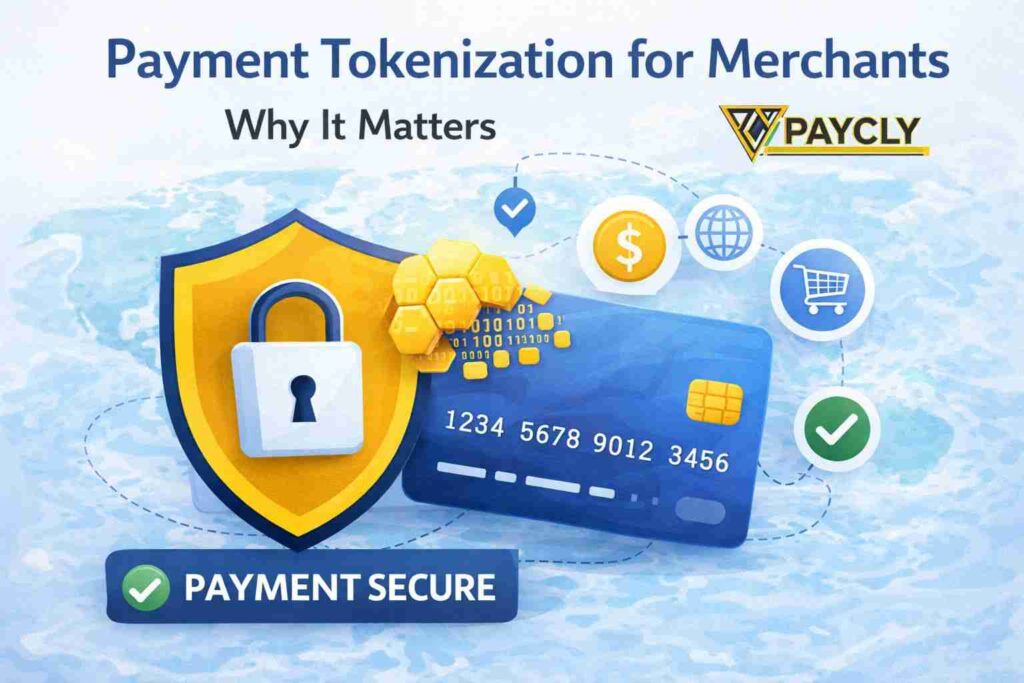
Tokenization is a security method that replaces sensitive payment data, such as credit card numbers, with a unique, non-sensitive identifier called a token. This token has no real value outside the payment system and cannot be used if intercepted.
When a customer enters card details at checkout, the system instantly converts the data into a token before storing or transmitting it. The payment processor securely stores the original card information, not the merchant.
For businesses using a Credit Card Payment Solution, tokenization significantly reduces exposure to sensitive data while ensuring transactions continue to process smoothly and securely.
Why Merchants Need Tokenization
Merchants today face increasing pressure from regulators, card networks, and customers to protect payment information. Data breaches not only cause financial loss but also damage brand trust and business continuity.
Tokenization directly addresses these challenges.
Reduced Data Breach Risk
When merchants store tokens instead of card numbers, hackers gain nothing valuable even if systems are compromised. This is especially important for businesses that accept payment online and process high volumes of transactions.
Simplified Compliance
Tokenization helps reduce PCI DSS scope. Merchants using a secure Credit Card Merchant Account with tokenization face fewer compliance requirements, saving time and operational costs.
Safer Recurring Payments
Businesses offering subscriptions, memberships, or repeat billing rely on stored payment credentials. Tokenization allows merchants to reuse tokens for future payments without storing actual card data.
Tokenization and Modern Payment Infrastructure
Tokenization is now a standard feature in advanced payment systems, particularly those supporting global payment processing and cross-border transactions.
Supporting International Payments
Merchants expanding globally need an international payment gateway that supports tokenized transactions across regions. Tokenization ensures payment data remains secure while enabling faster approvals and smoother cross-border checkout.
Improving Approval Rates
Tokenized transactions are often viewed as lower risk by banks and card networks. This can result in higher authorization rates, especially for merchants struggling with payment declines.
Why Tokenization Matters for High-Risk Merchants
Businesses operating in regulated or high-risk industries face unique payment challenges. These include increased fraud attempts, higher chargeback ratios, and stricter processor oversight.
Industries that often require High risk merchant accounts include:
- Online gaming and betting
- Forex and trading platforms
- Subscription-based digital services
- Adult content platforms
For these businesses, high risk payment processing without tokenization significantly increases exposure to fraud and data breaches.
A secure High risk payment gateway with built-in tokenization helps merchants protect transactions while maintaining stable processing relationships.
Tokenization vs Encryption: What’s the Difference?
While both methods protect payment data, they work differently:
- Encryption scrambles data and can be decrypted with the correct key
- Tokenization replaces data entirely, removing sensitive information from merchant systems
Tokenization is preferred because even if tokens are stolen, they cannot be reversed or misused. This makes tokenization a stronger long-term security solution for merchants.
Tokenization and Alternative Payment Methods
As customers demand more flexibility, merchants are expanding beyond traditional card payments. Alternative Payment Methods such as digital wallets and localized payment options also rely on tokenization to secure transactions.
Tokenization enables merchants to offer multiple payment methods through a single online merchant account, without increasing security risks.
How Tokenization Reduces Chargebacks and Fraud
Fraudulent transactions are one of the leading causes of chargebacks. Tokenization limits the reuse of stolen card data, making it harder for fraudsters to complete unauthorized payments.
For merchants using high risk payment solutions providers, this reduction in fraud directly impacts processor trust, account stability, and long-term scalability.
Tokenization for Gaming and Regulated Industries
Gaming platforms and casinos handle frequent, high-value transactions and are frequent targets for fraud. Businesses operating under a gaming merchant account or casino merchant account must meet strict security and compliance standards.
Tokenization helps these merchants:
- Protect player payment data
- Reduce fraud attempts
- Support recurring deposits
- Maintain compliance across jurisdictions
When combined with a robust High risk payment gateway, tokenization becomes a foundational layer of gaming payment security.
How PayCly Helps Merchants with Tokenization
PayCly delivers a secure, scalable payment infrastructure for both standard and high-risk businesses. It embeds tokenization directly into its payment ecosystem to protect merchants and customers at every stage of each transaction.
Secure Payment Architecture
We ensure that merchant systems never access sensitive payment data. Our platform generates tokens instantly, reducing breach risk while simplifying compliance.
Support for High-Risk Industries
PayCly specializes in High risk merchant accounts and delivers tokenization-enabled high risk payment processing for industries that traditional processors avoid.
Global and Multi-Currency Processing
With PayCly’s international payment gateway, merchants can process tokenized transactions across borders, supporting seamless global payment processing.
Flexible Payment Acceptance
PayCly enables merchants to accept credit card payments, digital wallets, and other Alternative Payment Methods securely using token-based transactions.
Why Tokenization Is No Longer Optional
Customer trust, regulatory pressure, and fraud risks continue to rise. Merchants that fail to secure payment data face reputational damage, financial penalties, and processor termination.
Tokenization protects businesses while enabling growth, scalability, and payment flexibility. It allows merchants to focus on customer experience instead of security concerns.
Tokenization is one of the most important security technologies in modern payment processing. It protects sensitive data, reduces fraud, improves compliance, and supports scalable global commerce.
Whether you’re running an eCommerce store, subscription platform, or high-risk operation, tokenization strengthens your payment foundation. Combined with the right Credit Card Payment Solution, online merchant account, and secure payment gateway, tokenization helps merchants operate confidently in an increasingly complex digital payment environment.
PayCly empowers merchants with secure, tokenized payment infrastructure built for growth, compliance, and long-term stability.