
For many online businesses, the checkout page is treated as a technical requirement rather than a growth opportunity. It is often designed simply to collect payment details and complete transactions as quickly as possible. However, as eCommerce and digital services expanded during the mid-2010s, merchants began noticing something important — customers weren’t abandoning products because they didn’t want them. They were abandoning complicated checkout experiences.
This realization changed how businesses approached payment design. Instead of viewing checkout as a final step, companies started treating it as a critical part of customer experience. Custom checkout solutions emerged as a way to simplify transactions, build trust, and ultimately increase conversion rates.
The Problem With Generic Checkout Systems
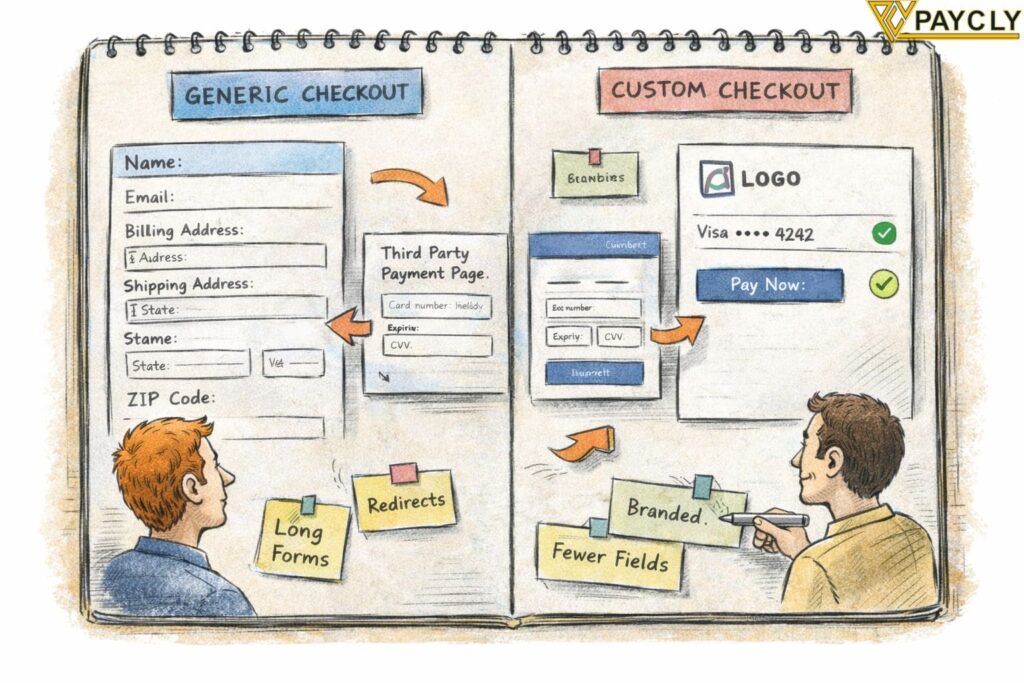
Traditional checkout pages were often rigid and standardized. While they technically allowed businesses to accept payments, they created friction for customers in several ways.
Many checkout systems redirected users to third-party payment pages that looked different from the merchant’s website. This sudden shift often made customers uncomfortable, raising concerns about security and authenticity.
Additionally, generic checkout forms rarely accounted for regional payment preferences, mobile usability, or different customer behaviors. Long forms, unnecessary fields, and limited payment options made the payment process feel slow and frustrating.
In a digital environment where convenience drives decisions, even small inconveniences can lead to lost sales.
What Makes Checkout “Custom”
A custom checkout experience allows businesses to design payment flows that match their brand, audience, and transaction model rather than relying on one-size-fits-all templates.
Customization can include:
- Branded checkout pages that maintain visual consistency
- Simplified form fields tailored to customer needs
- Multiple payment method integration
- Mobile-optimized payment flows
- Localized currency and language support
- Flexible subscription or recurring billing options
The goal is not just visual design — it is removing obstacles between customer intent and completed purchase.
Building Trust Through Consistency
Trust plays a major role in online purchasing decisions. When customers are redirected to unfamiliar payment pages, they may hesitate before entering financial details.
Custom checkout systems help maintain brand continuity. When customers remain within a familiar design environment, they feel more confident completing transactions. Small design elements such as consistent colors, logos, and messaging can significantly reduce checkout anxiety.
This sense of trust is especially important for businesses operating internationally or in industries where customers may already have security concerns.
Reducing Checkout Friction Improves Conversion Rates
Every additional step in a checkout process increases the chances of abandonment. Custom checkout experiences allow businesses to remove unnecessary steps and focus on simplicity.
For example:
- Auto-filled customer information reduces typing effort
- One-page checkout flows speed up transactions
- Smart validation prevents errors before submission
- Saved payment methods encourage repeat purchases
When customers can complete transactions quickly, they are less likely to abandon their carts. Over time, even small improvements in checkout flow can create noticeable revenue growth.
Supporting Multiple Payment Preferences
Global eCommerce growth introduced customers with diverse payment preferences. Some users prefer credit cards, while others rely on digital wallets, local payment methods, or alternative billing options.
Custom checkout systems allow merchants to present payment options based on location, device type, or transaction history. By offering familiar payment methods, businesses can improve approval rates and customer satisfaction.
This flexibility becomes particularly valuable for cross-border commerce, where payment expectations vary widely between regions.
Improving Mobile Payment Experiences
As mobile shopping increased, many businesses realized that traditional checkout forms were not optimized for smaller screens. Long forms and complex navigation became even more frustrating on mobile devices.
Custom checkout designs prioritize mobile usability by:
- Reducing required input fields
- Supporting wallet-based payments
- Using responsive design layouts
- Simplifying navigation between checkout steps
Mobile-friendly checkout experiences can significantly reduce abandonment rates among smartphone users.
Helping Businesses Manage Risk and Compliance
Custom checkout experiences can also support risk management and compliance requirements. Businesses can implement verification steps, fraud screening, and authentication measures without disrupting the customer journey.
By integrating these safeguards directly into the checkout flow, merchants can balance security and user convenience more effectively.
This approach is particularly useful for industries with higher regulatory or fraud-related challenges.
Encouraging Repeat Purchases
A positive checkout experience doesn’t just complete a single transaction — it influences whether customers return.
Features such as stored payment methods, subscription billing, and faster reordering encourage customer loyalty. When customers remember checkout as smooth and reliable, they are more likely to choose the same business again.
Over time, customer retention often becomes just as valuable as acquiring new buyers.
The Future of Checkout Experiences
As online commerce continues to evolve, checkout experiences are becoming more personalized and intuitive. Businesses are moving toward payment flows that adapt to user behavior, device preferences, and regional expectations.
The focus is shifting from simply processing transactions to creating payment experiences that feel natural, secure, and effortless.
Companies that invest in flexible checkout design are often better positioned to adapt to changing customer expectations and global payment trends.
Final Thoughts
Custom checkout experiences are not just design improvements — they are strategic tools that influence customer trust, conversion rates, and long-term business growth.
By simplifying payment flows, supporting multiple payment preferences, and maintaining brand consistency, businesses can reduce abandonment and create more reliable purchasing experiences.
In an increasingly competitive digital marketplace, the checkout process is no longer just the final step of a sale. It is one of the most important opportunities to earn customer confidence and drive sustainable revenue growth.