
When businesses first start selling online, one question usually comes up before anything else:
“How do customers actually pay me on the internet?”
You may already have a website, products, and even traffic — but without a proper way to accept payments securely, sales simply can’t happen. This is where online payment gateways come in.
If you’re new to online payments, the topic can feel technical and overwhelming. This guide breaks it down in simple terms, focusing on what business owners really need to know.
What Is an Online Payment Gateway?
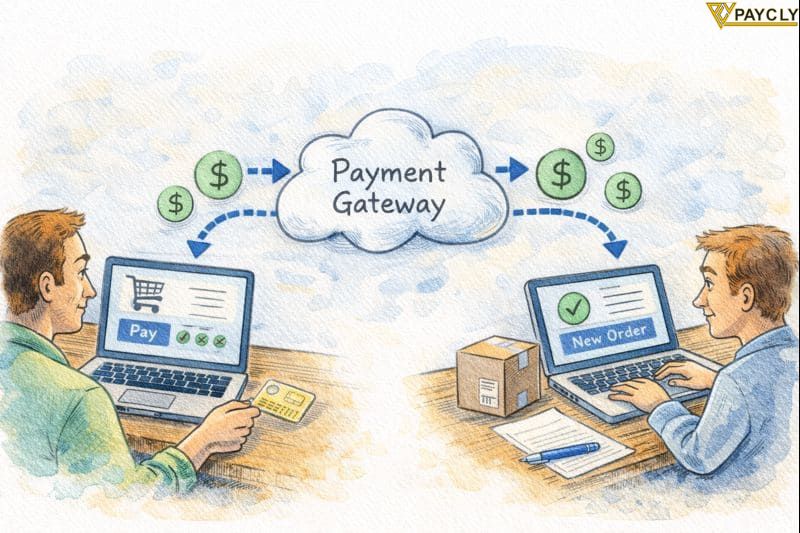
An online payment gateway is the technology that allows your website to accept card payments securely.
In simple words, it acts as the middleman between:
- Your customer’s card
- Their bank
- Your merchant account
- Your business bank account
When a customer enters their card details and clicks “Pay,” the payment gateway safely passes that information through the required systems to check if the payment can be approved.
Without a payment gateway, online card payments wouldn’t be possible.
Why Payment Gateways Became Essential for Online Businesses
As more customers began shopping online, businesses needed a way to:
- Accept credit and debit cards securely
- Protect customer card details
- Reduce fraud and unauthorized payments
Sending card details by email or storing them on a server was risky and unsafe. Payment gateways solved this by encrypting sensitive data and handling the transaction process behind the scenes.
For customers, this meant safer shopping.
For merchants, it meant trust and legitimacy.
How an Online Payment Gateway Actually Works
Here’s what happens during a typical online payment:
- A customer enters card details on your checkout page
- The payment gateway encrypts the information
- The data is sent to the card network and issuing bank
- The bank approves or declines the transaction
- The result is sent back to your website
- If approved, the order is completed
All of this usually happens in just a few seconds.
Payment Gateway vs Merchant Account
This is one of the most common points of confusion for beginners.
- Payment Gateway:
Handles the secure transfer of card information during checkout - Merchant Account:
Temporarily holds the funds from card payments before they are deposited into your bank account
In most cases, businesses need both to accept online card payments.
Some providers offer them separately, while others bundle them together.
Types of Online Payment Gateways
Hosted Payment Gateways
With hosted gateways, customers are redirected to a secure payment page hosted by the provider.
Why beginners prefer them:
- Easier to set up
- Less technical responsibility
- Strong security handled by the provider
Trade-off:
Less control over the checkout experience.
Integrated Payment Gateways
Integrated gateways allow customers to pay directly on your website.
Why businesses choose them:
- Seamless checkout experience
- Better branding control
Trade-off:
Requires more technical setup and responsibility for security.
Common Problems Beginners Face
“My Payments Are Getting Declined”
Declines can happen due to:
- Bank security rules
- Unsupported card types
- Incorrect gateway configuration
Choosing the right gateway and merchant account setup reduces unnecessary declines.
“Funds Are Not Reaching My Bank Immediately”
Card payments don’t settle instantly. Funds usually take a few days to move from the merchant account to your bank.
This delay is normal, but understanding settlement timelines helps manage cash flow expectations.
“Customers Don’t Trust My Checkout”
New or unfamiliar websites often struggle with trust.
Using a recognized payment gateway reassures customers that their card details are handled securely.
Security and Fraud Protection
Payment gateways play a major role in protecting businesses from fraud.
They typically offer:
- Encrypted card data transmission
- Basic fraud detection rules
- Secure transaction logs
While no system is perfect, a reliable gateway significantly reduces risk compared to handling payments manually.
Choosing the Right Payment Gateway as a Beginner
When starting out, focus on:
- Ease of setup
- Transparent fees
- Support for major card types
- Clear documentation and support
Avoid choosing purely based on the lowest fees. Reliability and support matter far more in the early stages.
Final Thoughts
Online payment gateways are not just technical tools — they are the foundation of online commerce.
For beginners, understanding how gateways work removes fear and confusion and helps you build a payment system that customers trust.
Once payments are reliable and secure, businesses can focus on what truly matters: growing sales and serving customers.
Every successful online business starts with a payment system that simply works.