
Running a business today means selling through multiple channels. Customers may discover your brand online, browse products on mobile devices, and complete purchases in physical stores. While this creates more opportunities for revenue, it also introduces a major operational challenge — managing payments across different platforms without creating confusion, delays, or lost transactions.
Many merchants struggle with disconnected payment systems. Their Credit Card Payment Solution for online stores does not sync with in-store POS terminals. Their online merchant account works well for website payments but fails to integrate with retail or international transactions. This gap often results in accounting errors, reporting mismatches, customer dissatisfaction, and increased chargebacks.
If your business is facing these issues, linking online and offline payments seamlessly is no longer optional. It is essential for maintaining customer trust and scaling operations successfully.
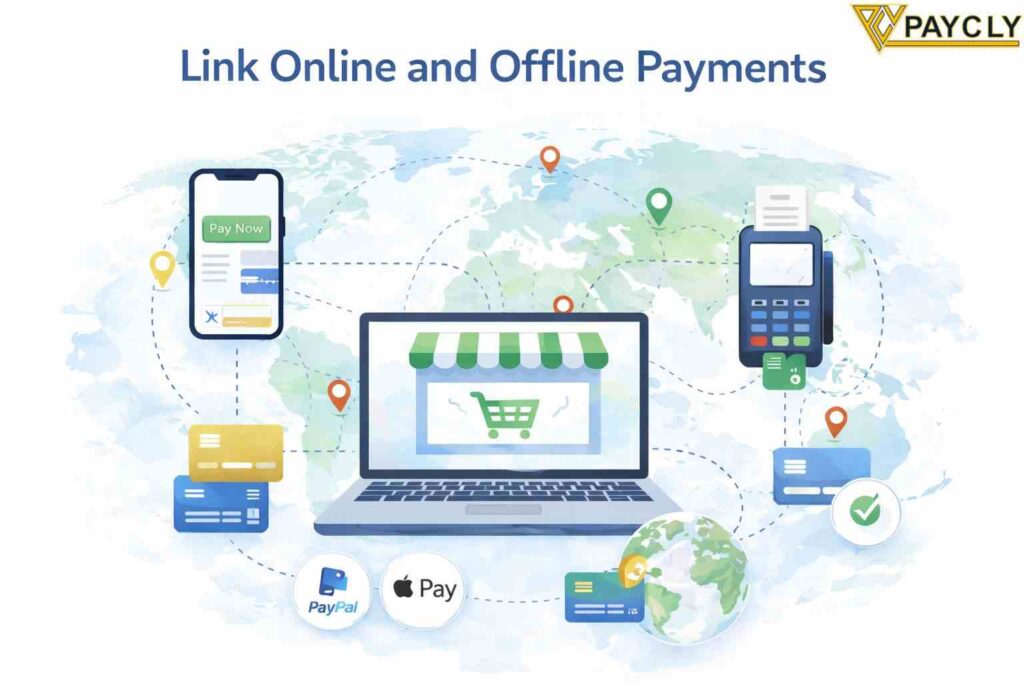
Why Payment Integration Matters for Modern Businesses
Customers expect convenience. They want to accept payment online, pay through mobile devices, or use cards in-store without delays. When payment systems are disconnected, businesses face several problems:
- Inconsistent transaction reporting
- Inventory and order mismatches
- Higher chances of payment failure
- Limited support for international transactions
- Difficulty managing refunds and chargebacks
- Lost sales due to restricted payment options
Businesses operating in industries like forex trading, gaming, adult services, or online casinos face even greater challenges. These sectors often require high risk merchant accounts and specialized high risk payment processing solutions that can handle regulatory complexities and international customers.
Common Payment Challenges Businesses Face
1. Multiple Payment Systems Causing Operational Confusion
Many merchants use separate providers for physical card processing and online transactions. This creates fragmented data that is difficult to track. Without a unified Credit Card Merchant Account, businesses often spend hours reconciling reports and identifying missing transactions.
2. Limited Payment Options for Customers
Customers today expect flexibility. Restricting payment methods can reduce conversion rates. Businesses need to support cards, bank transfers, and Alternative Payment Methods to meet customer expectations.
3. Difficulty Managing International Customers
Expanding globally introduces currency conversion issues, regulatory challenges, and fraud risks. Businesses without a reliable international payment gateway or global payment processing system often experience declined transactions and abandoned carts.
4. High Risk Industry Payment Restrictions
Industries such as forex trading, online gaming, and adult services frequently face account shutdowns or transaction limitations. These businesses require specialized services such as:
- Forex merchant account
- Forex payment processing
- Casino merchant account
- Adult merchant account
- Gaming merchant account
- High risk payment gateway
Without these solutions, merchants may lose access to card processing entirely.
How Seamless Payment Linking Works
Connecting online and offline payments requires a unified infrastructure that integrates all sales channels into a single payment ecosystem.
1: Centralized Merchant Account
A robust online merchant account acts as the foundation. It connects POS systems, eCommerce platforms, and mobile checkout solutions into one dashboard. This enables businesses to monitor transactions in real time.
2: Integrated Credit Card Payment Solution
A modern Credit Card Payment Solution allows businesses to accept credit card payments across multiple channels. Whether customers shop in person or online, the payment data remains synchronized.
3: Multi-Channel Payment Gateway
Using a flexible high risk payment gateway or international gateway ensures that merchants can accept transactions from different regions, currencies, and customer preferences without disruptions.
4: Alternative Payment Method Integration
Adding regional and digital payment options improves accessibility. Supporting Alternative Payment Methods increases conversion rates and reduces cart abandonment.
Benefits of Linking Online and Offline Payments
1: Improved Customer Experience
Customers can switch between shopping channels without payment interruptions. This convenience builds trust and encourages repeat purchases.
2: Simplified Accounting and Reporting
Unified payment systems eliminate manual reconciliation and reduce financial errors. Businesses gain clear visibility into sales performance.
3: Higher Conversion Rates
Allowing customers to accept payment online and in physical stores using various methods reduces payment friction and increases sales opportunities.
4: Stronger Fraud Protection
Advanced high risk payment processing solutions include fraud detection tools that protect merchants from chargebacks and unauthorized transactions.
5: Easier Global Expansion
Businesses using global payment processing and international gateways can accept multiple currencies and expand into new markets efficiently.
Choosing the Right Payment Partner
Selecting the right payment provider plays a critical role in building a seamless payment infrastructure. Merchants should look for providers that offer:
- Reliable Credit Card Merchant Account services
- Support for high risk merchant accounts
- International transaction capabilities
- Flexible Alternative Payment Methods
- Advanced fraud and chargeback management tools
- Multi-currency processing support
- Integration with POS and eCommerce platforms
For specialized industries, working with providers experienced in forex payment processing, casino merchant account solutions, or gaming merchant account services ensures compliance and stability.
Steps to Implement Seamless Payment Integration
- Evaluate your existing payment systems and identify integration gaps.
- Choose a unified online merchant account that supports multiple sales channels.
- Implement a secure international payment gateway for global transactions.
- Add diverse payment methods to increase customer flexibility.
- Monitor payment data and optimize performance regularly.
Final Thoughts
Businesses that connect online and offline payments gain a competitive advantage. A seamless payment ecosystem improves customer satisfaction, increases conversions, and simplifies business operations.
Whether you operate a retail store, eCommerce platform, or high risk industry, investing in reliable high risk payment processing, global gateways, and integrated merchant accounts ensures long-term growth. The right payment solution allows businesses to accept payments confidently, expand internationally, and deliver a frictionless customer experience.