
Customer expectations have changed dramatically with the rise of digital commerce. Modern consumers interact with businesses across multiple platforms, including mobile apps, ecommerce websites, physical stores, and social media marketplaces. As these channels grow, customers expect payment experiences to remain consistent, fast, and secure regardless of where they shop.
Omnichannel payments have emerged as a key strategy that helps businesses unify payment experiences across different platforms. By offering seamless payment integration across channels, businesses can improve customer satisfaction, increase conversions, and strengthen brand trust.
Understanding Omnichannel Payments
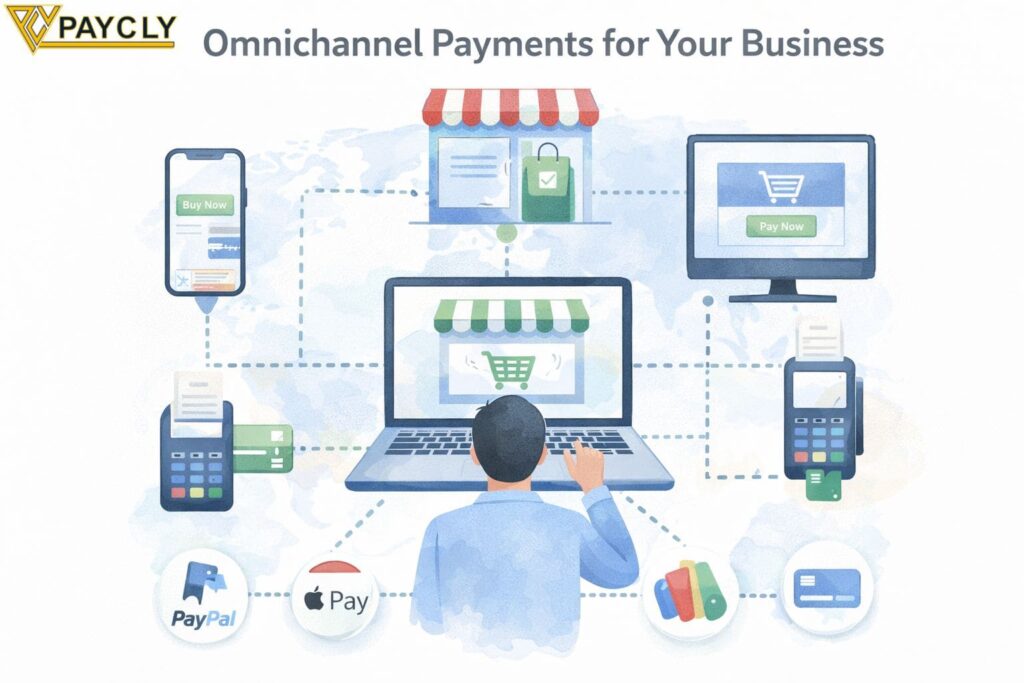
Omnichannel payments refer to the ability to accept and process payments across multiple customer touchpoints while maintaining a unified payment experience. Instead of managing separate payment systems for each sales channel, businesses use integrated payment infrastructure that connects online and offline transactions.
This approach allows customers to move between platforms without facing disruptions during checkout. For example, a customer might browse products on a mobile device, complete a purchase on a desktop website, and later pick up the product in-store while using the same payment method.
Why Omnichannel Payment Strategies Are Becoming Essential
As ecommerce and mobile shopping continue to grow, customers demand flexibility and convenience. Businesses that fail to provide smooth payment transitions across channels risk losing customers to competitors offering better checkout experiences.
Omnichannel payment solutions help businesses meet modern customer expectations by:
- Offering consistent payment options across channels
- Supporting digital wallets and mobile payment methods
- Synchronizing transaction data across platforms
- Improving customer engagement and retention
By simplifying payment interactions, businesses can build stronger relationships with customers.
Key Benefits of Omnichannel Payments for Businesses
1. Improved Customer Experience
Customers prefer payment experiences that feel seamless and familiar across platforms. Omnichannel payment integration ensures that payment preferences, stored credentials, and purchase histories remain consistent across devices.
When customers experience fewer checkout interruptions, they are more likely to complete transactions and return for future purchases.
2. Increased Sales Opportunities
Omnichannel payments allow businesses to capture revenue across multiple customer journeys. Customers can begin transactions in one channel and complete them in another without restarting the checkout process.
This flexibility helps businesses reduce cart abandonment and improve overall conversion performance.
3. Centralized Payment Data and Insights
Unified payment systems allow businesses to track transaction behavior across channels. Access to centralized payment analytics helps merchants understand customer preferences, identify purchasing trends, and optimize payment strategies.
Better insights allow businesses to make data-driven decisions that improve sales performance and operational efficiency.
4. Enhanced Payment Security and Compliance
Omnichannel payment gateways use advanced security technologies such as encryption, tokenization, and fraud detection tools to protect sensitive customer data. Integrated payment platforms also help businesses maintain compliance with global payment regulations.
Secure payment environments increase customer trust and reduce the risk of transaction disputes.
5. Support for Global and Cross-Border Transactions
Omnichannel payment solutions allow businesses to accept multiple currencies and international payment methods. This helps companies expand into new markets and serve global customers more effectively.
Supporting regional payment preferences improves customer convenience and increases international sales opportunities.
Omnichannel Payments and the Rise of Mobile Commerce
Mobile commerce continues to drive online sales growth. Customers frequently switch between mobile devices, desktops, and physical retail environments before completing purchases. Omnichannel payment infrastructure ensures that customers can complete transactions without disruptions during these transitions.
Businesses that invest in mobile-friendly omnichannel payment systems can improve checkout speed and enhance customer engagement across digital platforms.
Challenges Businesses Face When Implementing Omnichannel Payments
Although omnichannel payments offer significant advantages, businesses may face implementation challenges, including:
- Integrating multiple payment channels into a single system
- Managing transaction security across platforms
- Maintaining regulatory compliance in global markets
- Optimizing payment performance across devices
Working with experienced payment solution providers helps businesses overcome these challenges and implement scalable omnichannel payment strategies.
How PayCly Supports Omnichannel Payment Integration
PayCly provides advanced payment gateway solutions that help businesses unify payment processing across multiple sales channels. The platform supports global merchants by offering flexible payment integration, mobile wallet compatibility, and cross-border transaction capabilities.
PayCly helps businesses:
- Accept payments across ecommerce, mobile, and retail platforms
- Integrate digital wallets and alternative payment methods
- Strengthen fraud protection and regulatory compliance
- Improve transaction approval rates
- Optimize customer checkout experiences
By implementing reliable omnichannel payment solutions, businesses can deliver consistent and secure payment interactions across customer touchpoints.
Best Practices for Implementing Omnichannel Payments
Businesses can maximize omnichannel payment performance by following these strategies:
- Use integrated payment gateways across all sales channels
- Offer multiple payment options, including digital wallets
- Ensure mobile checkout optimization
- Monitor payment performance and customer behavior
- Maintain strong payment security protocols
- Provide consistent branding and user interface design
Continuous payment optimization helps businesses deliver seamless checkout experiences that improve customer loyalty.
The Future of Omnichannel Payment Technology
The demand for connected payment experiences continues to grow as customers expect greater flexibility and convenience. Emerging technologies such as real-time payments, biometric authentication, and AI-driven fraud prevention are further enhancing omnichannel payment systems.
Businesses that invest in omnichannel payment infrastructure are better positioned to adapt to evolving customer expectations and digital commerce trends.
Conclusion
Omnichannel payments are transforming how businesses interact with customers across digital and physical sales channels. By offering unified payment experiences, businesses can improve customer satisfaction, increase conversions, and expand global sales opportunities.
Implementing secure and flexible omnichannel payment solutions allows businesses to remain competitive in the evolving ecommerce landscape. Payment providers like PayCly help merchants deliver seamless payment experiences that support long-term business growth.